Review · MALAGA TOURS
Málaga: Museo del Automóvil y la Moda Ticket
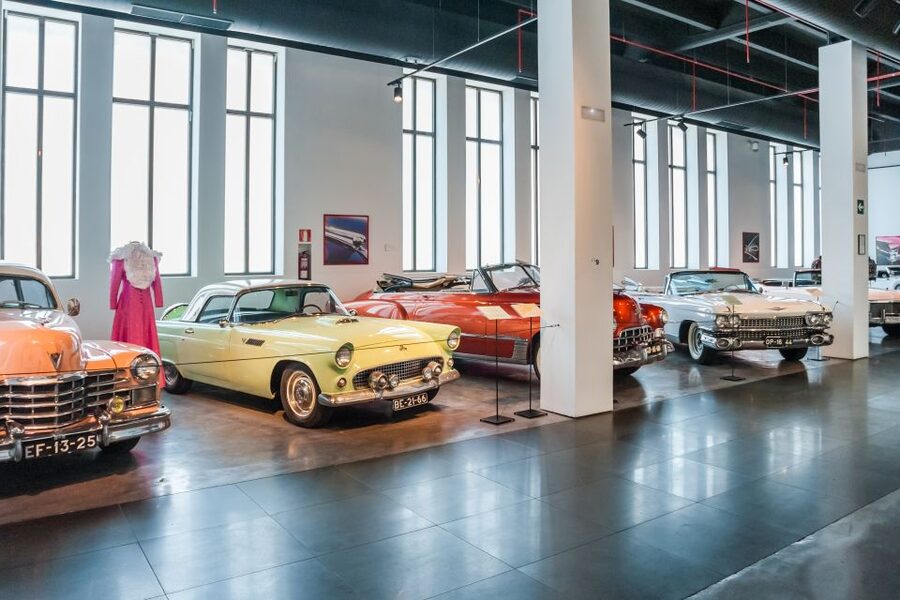
Málaga’s Automobile and Fashion Museum puts gleaming cars and era-matched clothes under one roof in a grand former tobacco factory. I like the mix of automotive design and fashion history, and the way each vehicle’s short label gives you its year and background without turning the visit into a lecture.
I also like that the collection ranges from rare early models and alternative-energy designs to Cadillacs, Rolls-Royces and everyday classics. The main drawback is its location outside the central sightseeing area, so you’ll need to allow time to get there and back.
At a glance
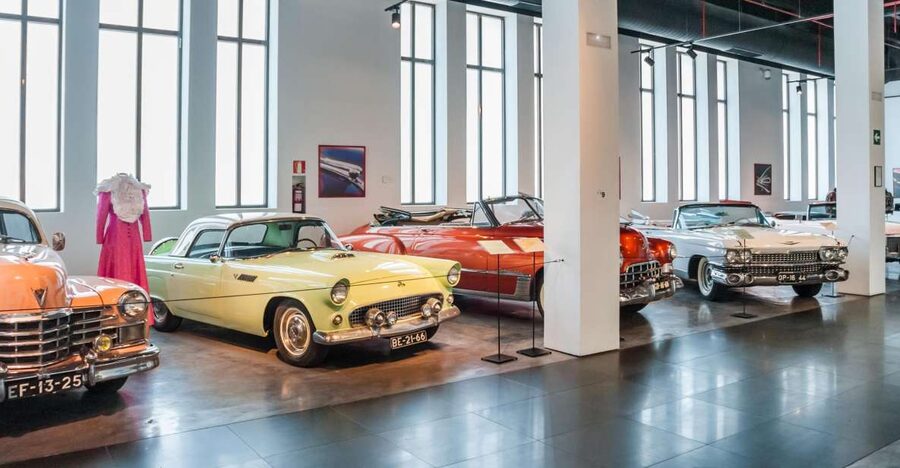
- A 1923 tobacco factory: The museum occupies La Tabacalera, a former factory converted into an exhibition space.
- Cars paired with fashion: Period clothing, artwork and other design details help place the vehicles in their time.
- A broad collection: Look for early automobiles, American dream cars, English marques, popular models and alternative-energy designs.
- Sunday engine start-up: At 12:30, selected cars are started so you can hear their engines and learn about their power.
- About 50 minutes: A focused visit can fit into an hour, though you may want longer if cars or fashion are your thing.
- Free parking: On-site parking is included, a useful advantage if you are driving.
Start with the building, not just the cars

The museum is at Avenida Sor Teresa Prat, 15, inside La Tabacalera, a tobacco factory built in 1923. The industrial setting gives the visit a different feel from a purpose-built car showroom. You are looking at polished machines in a former place of work, and the contrast makes the building part of the experience.
The exhibition is arranged in themed areas, so this is not simply a row of vehicles in chronological order. Cars sit alongside fashion, art and period details. That pairing helps you read a car as more than a feat of engineering: its shape, materials and status also say something about the taste and ambitions of its era.
The building is outside Málaga’s central sights, and that is the practical catch. One visitor described the trip as a trek, though well worth it; another found the museum easy to find. If you are walking from central Málaga, allow extra time rather than treating it as a quick detour. If you have a car, the free parking makes the location easier to manage.
More tickets and passes around Malaga:
- Caminito del Rey: Guided Tour and Entry Ticket
★ 4.6 · 11,286 reviews - Málaga: Museo Picasso Málaga Entry Ticket
★ 4.4 · 11,138 reviews - Caminito del Rey: Entry Ticket
★ 4.8 · 4,710 reviews
Begin with the early years of the automobile
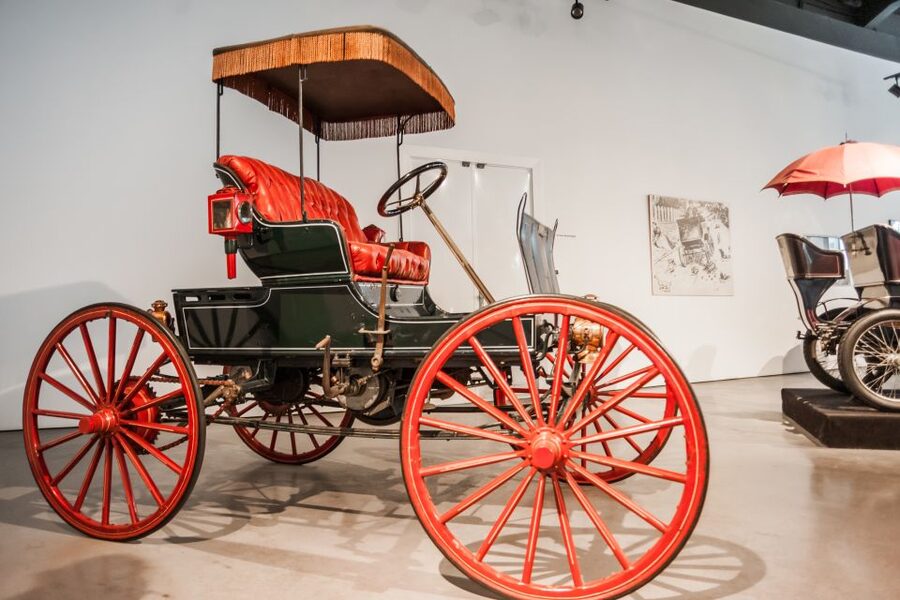
The collection reaches back to rare late 19th-century models, giving you a chance to see how early cars differed from the familiar forms that came later. The labels include the vehicle’s year and a short history, so you can follow the basic story without needing specialist knowledge.
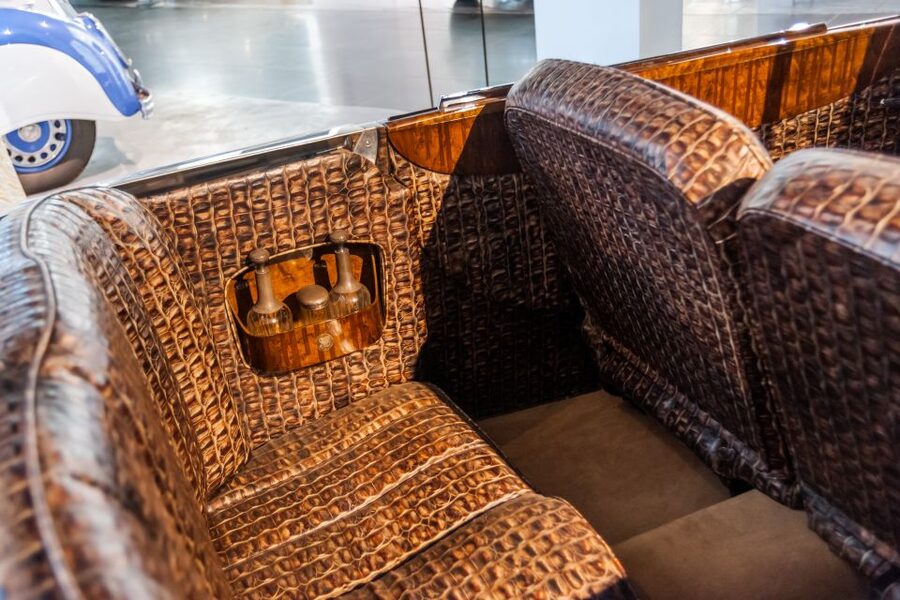
From there, the displays move through changing styles and eras. The cars of the 1920s bring a more decorative look, while some later designs seem startlingly ahead of their time. If you are drawn to design, pay attention to the shift in proportions and details as you move through the rooms. Even without knowing the technical specifications, you can see how cars changed from unusual new machines into objects made for different tastes and uses.
The displays are generally well organised and clearly labelled. That makes a self-guided visit quite workable, especially if you prefer to set your own pace. The experience is not a deep technical course, though. If you want detailed engineering explanations, the optional guided tour may add useful context. The available information does not name a particular guide or provide a fixed tour schedule, so check the details when booking.
See cars beside the clothes of their time
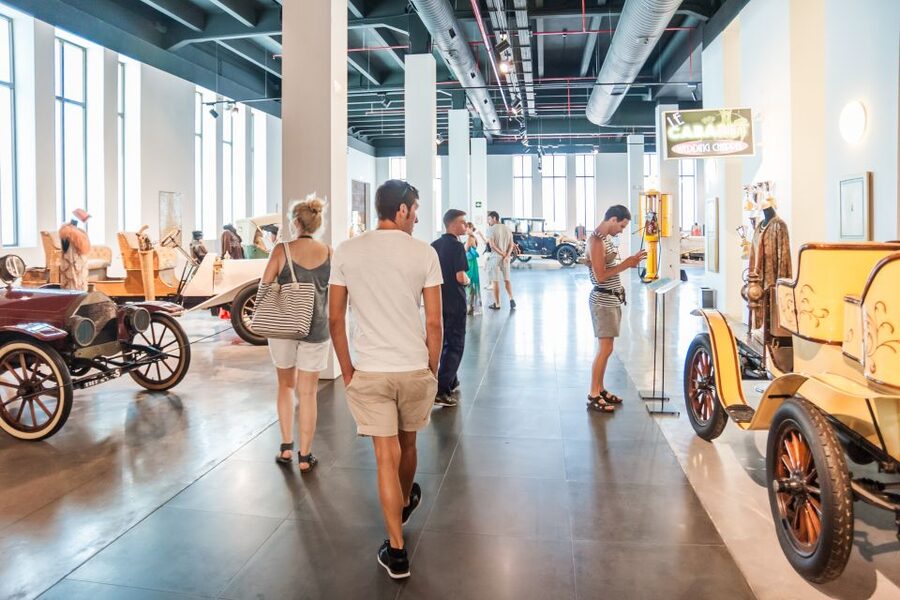
The museum’s most distinctive idea is its pairing of automobiles with fashion. Vintage and designer clothing appears beside cars from corresponding periods, with artwork and other visual details helping tie the displays together. The effect is less like visiting two separate collections and more like looking at the style of an era from two angles.
This is especially useful if you are visiting with someone who is not keen on cars. The clothes offer another way into the story: silhouettes, materials and changing ideas of elegance can be as interesting as the vehicles. Parents and children may find that the mix helps keep everyone engaged, too. The exhibition has drawn praise from people with different interests, from car fans to those drawn more to fashion and art.
Some of the presentation is playful. A virtual room lets you try on the look of Dior dresses, adding a light interactive moment to the visit. The displays can also include mannequins seated in cars. That staging is a matter of taste; some people find it amusing, while others may prefer to see the vehicles without figures inside them.
The clothes and cars are not the only visual elements. Artwork and strikingly decorated rebuilt engines also appear in the exhibition. These details make the museum feel more like a design show than a conventional garage display. Take your time with the labels and the pairings, since the connection between a vehicle and its accompanying fashion is part of the point.
Meet the dream cars, Cadillacs and everyday classics
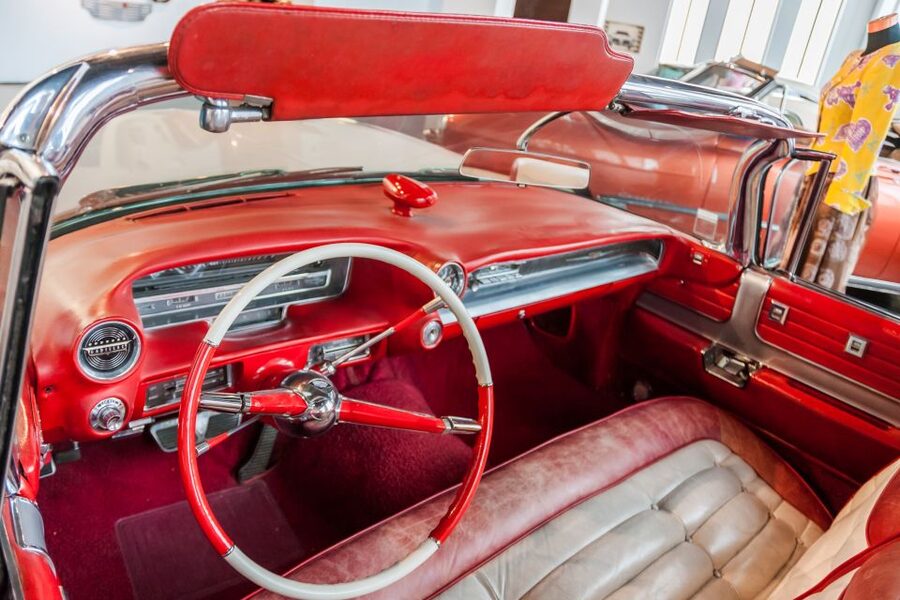
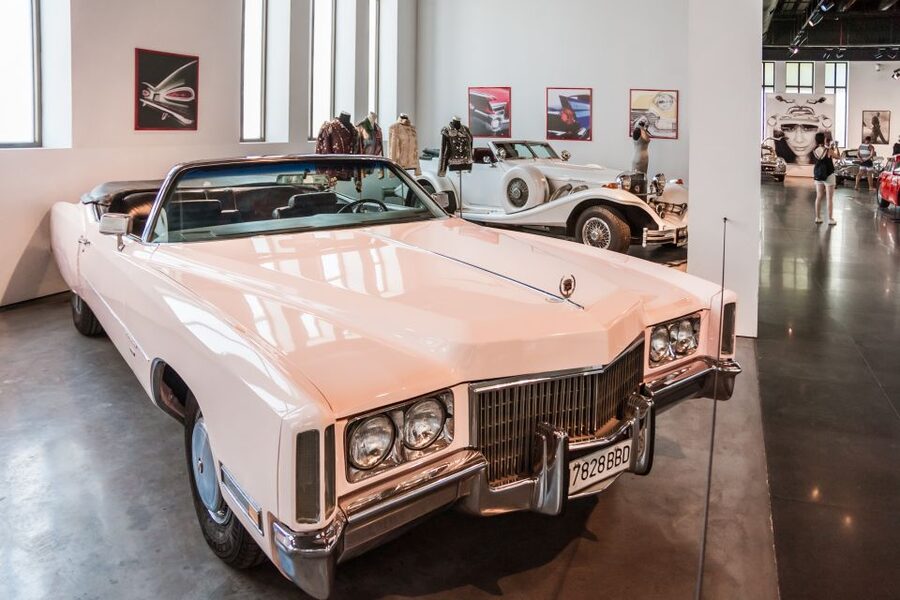
The collection is broad rather than limited to one marque or period. You can expect American dream cars from the 1950s, including Cadillacs, alongside examples of English heritage brands such as Rolls-Royce and Jaguar. These are the sorts of cars that invite you to compare national styles: bold and imposing forms in one corner, restrained elegance in another.
The museum also balances its glamorous vehicles with popular cars that became part of everyday life. A group of nine historically popular models includes an Austin Seven, a Morris Minor and a 1960s Velorex. These modest cars can be just as revealing as the showpieces. They bring the story down to street level and help explain how motoring reached more people.
The strongest praise for the collection centres on the condition of the vehicles. Cars are described as beautifully restored, immaculate and carefully presented. You are not simply seeing old machines; you are seeing examples maintained well enough for their shapes and finishes to remain clear. For car enthusiasts, that care is a major reason to go. For everyone else, it makes the objects easier to appreciate at a glance.
More Malaga tours around Malaga:
- Málaga: Caminito del Rey Guided Tour with Transportation
★ 4.8 · 12,183 reviews - From Málaga & Costa del Sol: Caminito del Rey Guided Tour
★ 4.7 · 7,488 reviews - El Chorro: Caminito del Rey Guided Tour with Shuttle Bus
★ 4.7 · 7,091 reviews - Caminito del Rey: Tour with Official Guide and Drink
★ 4.7 · 6,190 reviews
Look ahead to alternative-energy designs
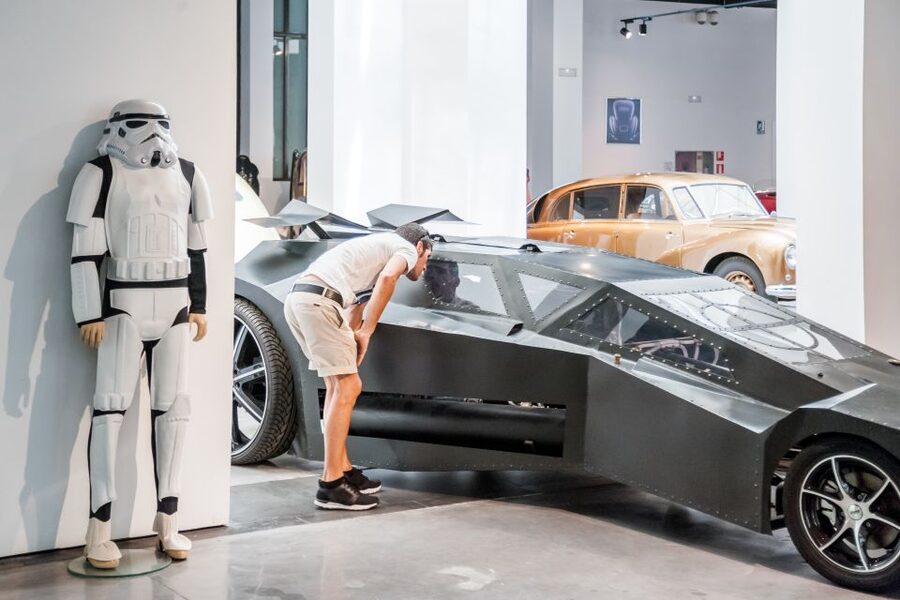
The museum is not only about nostalgia. Among its themed displays are automobiles designed to run on alternative energy sources, offering a glimpse of attempts to rethink how cars are powered. The information provided does not specify particular models or technologies, so treat this as a broad design thread rather than a detailed lesson on modern electric vehicles.
That forward-looking element gives the historical displays more depth. You can compare old ideas about what a car might become with the familiar forms that actually took hold. It also keeps the visit from becoming a simple parade of classics. If you are interested in the history of invention, look for these vehicles and consider what their designers were trying to solve.
Time your visit for the Sunday engine start-up
If your schedule allows, the museum’s Sunday activity at 12:30 is a worthwhile reason to plan your visit around a particular time. Selected vehicles are started, giving you the chance to hear their engines and learn about their power. It adds sound and movement to a collection that is otherwise experienced mainly through looking.
This is a specific activity, not a promise that every car will be started. The details provided do not name which vehicles take part, so keep expectations flexible. Still, hearing an engine run can make an old car feel less like a static object and more like a working machine. One visitor who attended on a Sunday considered the timing well worth arranging.
A 50-minute visit is the stated duration, but it is best treated as a guide rather than a strict limit. Several people found that an hour was a natural amount of time, while a keen enthusiast or anyone who wants to read every label may stay longer. The museum is spacious, and visitors have described being able to wander at an unhurried pace. In summer, the small coffee shop outside may have queues, so do not count on a quick stop there if your schedule is tight.
Decide between a self-guided visit and a tour
A self-guided visit lets you linger over the cars, clothes and labels that catch your eye. The short histories beside the vehicles make this a practical choice if you like exploring independently or have limited time. You can move through the themed areas at your own speed and spend more time on the parts that interest you most.
A guided tour is available as an optional extra and may suit you if you want professional commentary to connect the objects and periods. Check the booking details carefully: the guided tour option does not replace the museum entrance ticket, so you need to buy admission as well.
The experience is well suited to car enthusiasts, but it is not just for them. Design and fashion fans have plenty to look at, and the mix can work for families with different interests. One parent visiting with a 13-year-old found it enjoyable for the whole family, while other visitors appreciated that the exhibition gave both car and fashion fans something to focus on.
Check the practical details before you go
Admission is listed at $14 per person, with free parking included. For a visit of roughly 50 minutes to an hour, that is a reasonable price if you are interested in cars, fashion or design. The value is stronger if you take time to read the labels, look closely at the period pairings and, when possible, catch the Sunday engine activity.
The museum is adapted for seniors and people with disabilities, with easy parking and rest areas. Special tours are available for people with sensory limitations, and there is a free Wi-Fi area. Do not assume every part of a visit will suit every need, though; contact the museum if you want to confirm details for your circumstances.
Large bags and luggage are not allowed, and smoking indoors and swimwear are prohibited. Bring a passport or ID card, student card or disability card if relevant to your visit. The ticket offers free cancellation up to 24 hours beforehand and a reserve-now, pay-later option, which can be handy if your Málaga plans are still taking shape.
Should you book the museum?
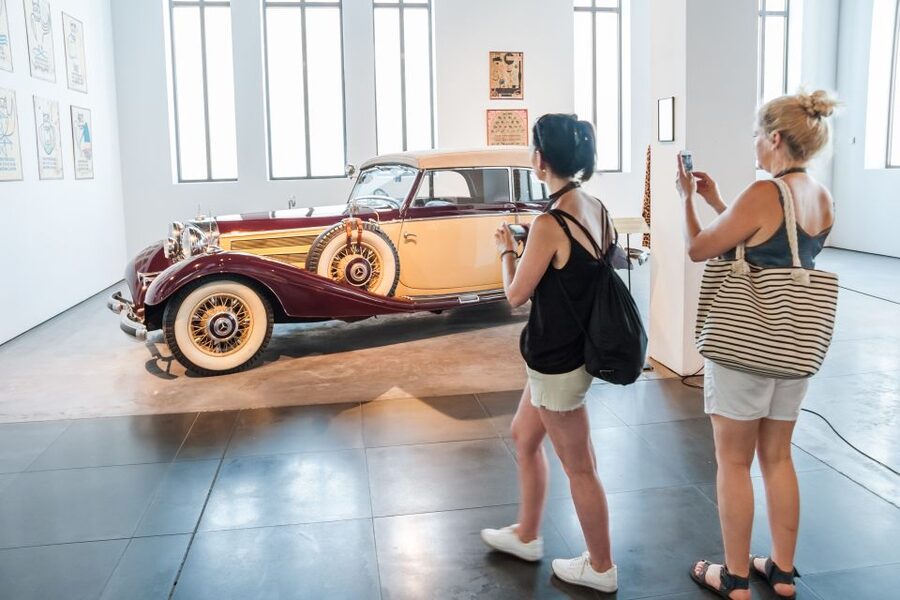
Book it if you want a museum that combines machines with style, or if you are travelling with someone whose interest in cars is limited. The mix of early models, dream cars, everyday classics, period clothing and artwork gives the visit more range than a basic collection of vehicles. The Sunday engine start-up is an extra reason to go then, if the timing suits.
Skip it if your time in Málaga is extremely short and you are focused only on sights in the city centre. The out-of-centre location takes planning, and the visit is relatively brief. But if you can spare an hour and have even a passing interest in design, fashion or motoring, the combination makes this a sensible, good-value stop.
FAQ
How long does a visit take?
The stated duration is 50 minutes. You may want about an hour if you plan to read the labels and take your time with the displays.
Where is the museum?
It is at Avenida Sor Teresa Prat, 15, in Málaga, inside the former La Tabacalera tobacco factory.
Is parking available?
Yes. Free parking is included at the museum.
Can I visit without a guide?
Yes. You can explore the collections on your own. A guided tour is optional.
Does the guided tour include museum admission?
No. If you choose the guided tour, you also need to buy a museum entrance ticket.
When can I hear some of the cars running?
The Sunday activity Running the Engines takes place at 12:30. Selected cars are started, and you can hear their engines and learn about their power.
Is the museum accessible?
The facilities are adapted for seniors and people with disabilities, with easy parking and rest areas. Special tours for people with sensory limitations are also available.
What should I bring, and what is not allowed?
Bring a passport or ID card, student card or disability card if relevant. Luggage and large bags, indoor smoking and swimwear are not allowed.
Newly added around Malaga
- Make Authentic Espadrilles Shoes in Marbella★ 5.0 · 5 reviews
- Málaga 1-hour by TukTuki: Essential and Private Tour★ 4.4 · 62 reviews
- Malaga: Private walking tour★ 5.0 · 12 reviews
- Guided Buggy Tour Mijas★ 4.9 · 75 reviews
- Guided tour and oil tasting at the Aceites Molisur factory★ 4.9 · 59 reviews
- 3 hours quad Mijas Tour (Price for quad 1-2 pax)★ 4.8 · 16 reviews
- Fuengirola: Jet Ski Rental★ 4.5 · 33 reviews
- Crime Challenge Málaga – Your Sightseeing Investigation★ 5.0 · 22 reviews
Malaga Tours, compared.

Caminito del Rey Guided Tour with Transportation
Read our review →
Caminito del Rey: Guided Tour and Entry Ticket
Read our review →

El Chorro: Caminito del Rey Guided Tour with Shuttle Bus
Read our review →
Caminito del Rey: Tour with Official Guide and Drink
Read our review →
Alcazaba and Roman Theatre Guided Tour With Entry
Read our review →