
Review · MALAGA TOURS
Málaga: Carmen Thyssen Museum Ticket
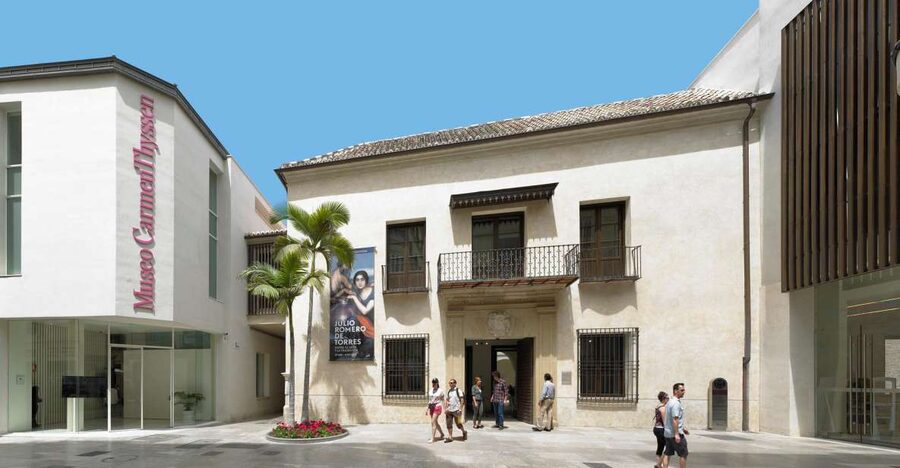
Málaga’s Carmen Thyssen Museum pairs a close look at 19th-century Spanish painting with a visit to a Renaissance palace built over Roman remains in the old Moorish quarter. The art is the main event, but the building gives the collection a distinctive setting.
I like two things in particular: the focus on Andalusian artists and subjects fills in a chapter of Spanish art that can get less attention than Velázquez, Goya, or Picasso, and the Palacio de Villalón’s courtyard and carved ceilings make the visit rewarding even between galleries. One consideration: some painting captions may be small, so if you rely on labels for context, bring your reading glasses.
What makes this visit worth your time
- A 16th-century palace with a central courtyard, arcaded galleries, and carved wooden ceilings.
- A strong look at 19th-century Spanish painting, with particular attention to Andalusia.
- Several artistic styles in one visit, including Romantic and Naturalist works and the précieus style.
- A choice of collections, with access to the permanent display, temporary exhibitions, or both depending on your ticket.
- An included audio guide in five languages, useful for adding context at your own pace.
- A self-paced museum visit that is wheelchair accessible, with some firm rules about phones, cameras, and bags.
A Renaissance palace beneath the paintings
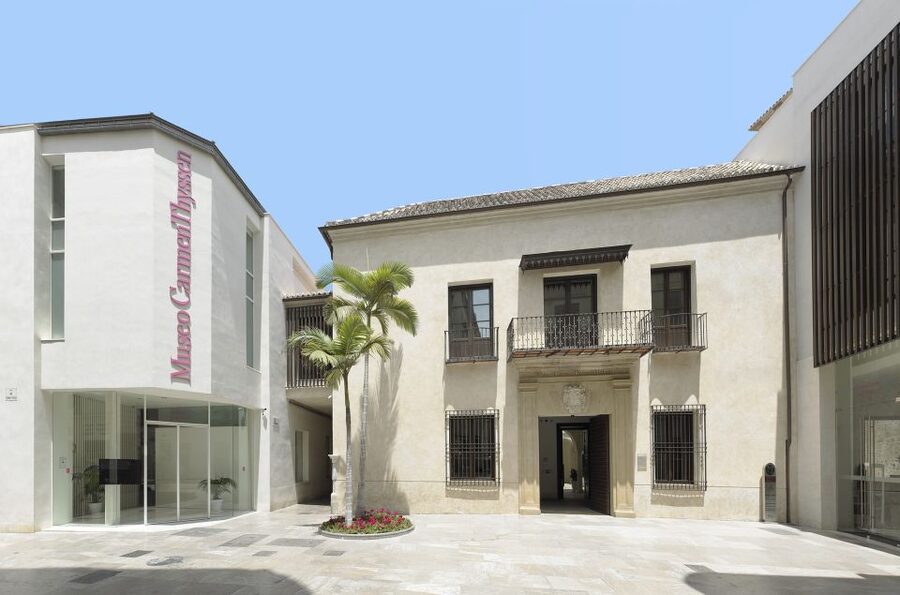
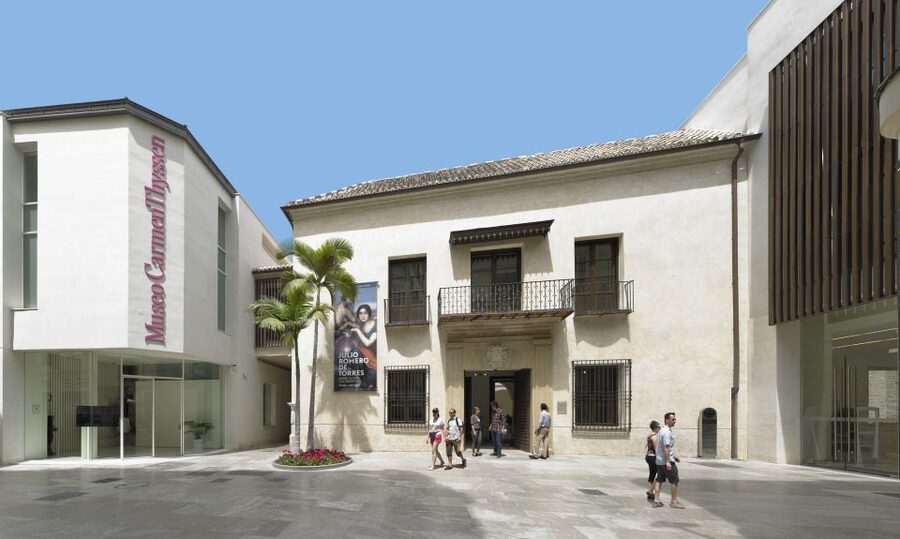
The museum occupies the Palacio de Villalón, a 16th-century building restored to recover its original layout while adding contemporary spaces for exhibitions. The palace stands over remains of the Roman city, within Málaga’s old Moorish quarter, so the site brings together several layers of the city’s past before you have even reached the art.
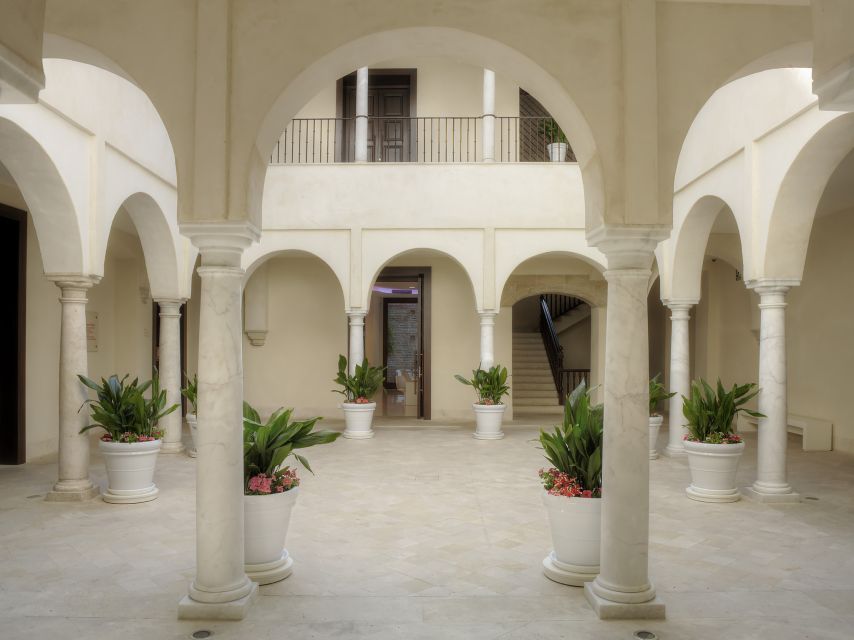
The palace is arranged over two floors around a central courtyard lined with arcaded galleries. Take a moment to look up: carved wooden ceilings and supporting fretwork in the principal rooms are among the building’s notable features. They give the historic rooms their own character and make the transition into the galleries feel more like entering an old Málaga residence than a plain exhibition hall.
Some 17th-century Spanish paintings are displayed in the palace’s principal rooms. Newer adjoining buildings, designed in a contemporary style, house the permanent and temporary exhibitions. That contrast is useful rather than jarring: the older rooms offer a sense of the building’s past, while the modern galleries provide space for a broad collection and changing displays.
The museum’s restoration aimed to preserve the palace’s original plan while allowing new construction to sit alongside it in an understated way. You can appreciate that balance as you move between the historic rooms and newer exhibition spaces. If architecture interests you, don’t make a beeline for the paintings and leave the courtyard for last. It is part of the visit, not just a corridor on the way to the art.
More museum visits around Malaga:
- Malaga: Picasso Museum Guided Tour with Skip-the-Line Ticket
★ 4.8 · 485 reviews - Skip the Line: Malaga Automobile and Fashion Museum Entrance Ticket
★ 4.5 · 379 reviews - Malaga: Tour of Malagueta Bullring & Immersive Exhibition
★ 4.7 · 271 reviews
Reading Spanish art beyond the famous names
The permanent collection surveys 19th-century Spanish painting, with a particular emphasis on Andalusia. That focus makes the museum a good place to widen your view of Spanish art beyond the best-known names. If your mental shortlist starts and ends with Velázquez, Goya, and Picasso, this collection introduces artists and styles that can help fill in the centuries and movements between them.
You can expect to encounter Romantic painting, including scenes by artists such as Sánchez-Perrier and Ortega. Romantic works often give nature and atmosphere a strong role, and here they offer a way to see how artists looked at Spain’s countryside and local settings. The collection also includes Naturalist examples, which bring a different kind of attention to observed subjects and detail.
The précieus style is another point of interest. It rewards a slower look, especially if you enjoy paintings where fine details matter. One visitor described being drawn to works with small, carefully rendered elements. That is good advice: rather than trying to rush through every room, choose a few paintings and spend time with the details that hold your attention.
The museum also includes works from earlier centuries. 17th-century Spanish paintings appear in the palace’s principal rooms, and religious paintings from the 15th and 16th centuries have been displayed on the top floor. The collection’s range means you can see changes in subject and technique across more than one period, even though the main focus is 19th-century art.
That variety is part of the visit’s value. You are not only looking at individual paintings; you can trace how Spanish painting changed through time. If you are new to the subject, the audio guide can help you make connections. If you already know the major artists, the regional emphasis and less familiar names may be the more rewarding part.
Taking the visit at your own pace
This is a museum visit rather than a timed, group-led route. Your ticket is valid for one day, and you can explore on your own with the included audio guide. Guided touring is also an option, though the ticket information does not name a specific guide or provide a set guided schedule.
The audio guide is available in Spanish, English, French, German, and Italian. It is a practical way to add context without having to read every label. That matters here because the collection covers several styles and periods, and visitors have found that some explanatory captions are quite small. If you prefer to read at your own speed, give yourself room to pause and position yourself comfortably.
There is no fixed visit length stated beyond the one-day validity, so you can set the pace to suit your interest. You might keep the visit focused on the permanent collection, or allow extra time for a temporary exhibition. The best approach is not to treat the museum as a checklist. Give the palace rooms and the paintings enough attention to make the visit feel like more than a quick pass through galleries.
The museum’s location and meeting point are at Fundación Palacio de Villalón, C/ Compañía 10, 29008 Málaga. The activity ends back at the same point. Hotel pickup and drop-off are not included, so plan your own way to and from the museum.
Temporary exhibitions and changing displays
Your visit can include the permanent collection, a temporary exhibition, or both, depending on the ticket option you select. Temporary shows add a useful reason to check what is on before you go. A Sorolla exhibition has been part of the museum’s program, but temporary displays change, so don’t assume that a particular artist or show will be there on your date.
The permanent collection gives you the museum’s core focus on Spanish painting and Andalusia. A temporary exhibition can deepen or broaden that experience, especially if it puts a single artist or theme in the spotlight. If you have limited time, decide in advance which part matters most to you, then leave a little flexibility for a room or artist that catches your eye.
This is a good museum for anyone curious about how painting styles evolve. The range from earlier religious work to 19th-century Romantic and Naturalist painting gives you a wider frame than a single-artist museum would. Still, the visit’s appeal depends on your interest in art. If you prefer hands-on activities or a tightly scripted tour, this self-paced format may feel quiet and open-ended.
More tickets and passes around Malaga:
- Caminito del Rey: Guided Tour and Entry Ticket
★ 4.6 · 11,286 reviews - Málaga: Museo Picasso Málaga Entry Ticket
★ 4.4 · 11,138 reviews - Caminito del Rey: Entry Ticket
★ 4.8 · 4,710 reviews - Malaga: Hammam Al Ándalus Entry Ticket with Massage
★ 4.7 · 2,498 reviews
Is the $14 ticket good value?
At $14 per person, the ticket offers access to a substantial collection in a historic building, with an audio guide included. The value is strongest if you plan to spend time with both the architecture and the art, rather than treating the museum as a quick stop. You are paying for a full museum visit, not a brief look at one room.
The included audio guide helps make the price more useful, particularly if you want context in your own language. The option to see temporary exhibitions can add value too, but check what is currently on and which ticket option you need. If you are mainly interested in famous Spanish names, the collection may feel less familiar than expected. Go with an interest in regional painting and artistic change, and you are more likely to find the ticket worthwhile.
If you are travelling with children, check the current admission rules before buying a paid ticket for anyone under 18. Under-18s may enter free, so confirm the policy rather than paying for a ticket that may not be needed. The museum is wheelchair accessible, which can help with planning, though the available details do not describe specific routes or facilities.
Practical rules inside the galleries
The museum has clear restrictions intended to protect the art. Cameras and video recording are not allowed, and cellphones are prohibited in the galleries. Food and drinks, smoking, and objects that might damage the works are also not permitted. Animals are prohibited, with guide dogs excepted.
Large bags are restricted: bags over 80 by 50 centimeters are not allowed. Luggage and large bags are listed among prohibited items, so it is wise to arrive without bulky belongings. Suitable clothing is required, and swimwear is not allowed. Once inside, keep a little distance from the art and do not touch the works.
These rules are worth knowing before you arrive, especially the phone restriction. If you usually use your phone to look up artists or take notes, plan to rely on the audio guide and your own memory instead. Photography is not an option, so take time to look carefully while you are in the galleries.
You can reserve now and pay later, and cancellation is available up to 24 hours in advance for a full refund. Those terms offer some flexibility if your plans are still taking shape, but the museum visit itself remains self-guided unless you choose a guided option.
Who will enjoy the Carmen Thyssen Museum most?
I’d recommend this museum if you want a thoughtful art stop in Málaga and are curious about Spanish painting beyond the most familiar masters. It suits visitors who like moving at their own pace, comparing styles, and taking time with individual works. The focus on Andalusia gives the collection a strong regional point of view, while the palace setting adds an architectural layer.
It is also a good fit if you want a museum visit that can be adjusted to your energy and schedule. You can concentrate on the permanent collection, add a temporary display, or spend more time admiring the palace itself. The audio guide makes it easier to follow the collection without needing to join a scheduled group.
You may find it less satisfying if you want a highly interactive attraction or a tour with a fixed route and named guide. The art is the main experience, and the captions may take some effort to read. Plan for a calm, observant visit rather than expecting a fast-paced entertainment stop.
Should you book this museum ticket?
Book it if Spanish and Andalusian art interests you, or if you want to pair a museum collection with a visit to a 16th-century palace. The combination of Romantic and Naturalist painting, the précieus style, earlier Spanish works, and the building’s courtyard makes the experience more varied than a simple gallery visit.
Before paying, check which exhibitions are available on your date and confirm whether anyone under 18 needs a ticket. If you are comfortable exploring independently and can follow the museum’s phone and bag rules, the $14 ticket is a sensible way to spend time with Málaga’s art and architecture.
FAQ
How long is the ticket valid?
The ticket is valid for one day. No fixed visit duration is stated, so you can explore at your own pace.
Is an audio guide included?
Yes. The audio guide is included and is available in Spanish, English, French, German, and Italian.
Can I see temporary exhibitions?
Yes, ticket options allow you to visit the permanent collection, temporary exhibitions, or both. The exhibitions on view can change.
Is the museum wheelchair accessible?
Yes, the activity is listed as wheelchair accessible.
Are phones and cameras allowed in the galleries?
No. Cameras and video recording are prohibited, and cellphones are not allowed in the galleries.
Can I cancel my booking?
Yes. You can cancel up to 24 hours in advance for a full refund.
Newly added around Malaga
- from Marbella, Estepona:Private tour Ronda incl. transfer,bullring,tapas★ 4.8 · 12 reviews
- From Malaga: Torcal de Antequera Hiking Tour★ 4.8 · 58 reviews
- From Marbella: Ronda Tour Wineries Tour with Lunch★ 5.0 · 21 reviews
- From Marbella: Guided Bicycle Tour to Puerto Banús★ 4.1 · 11 reviews
- From Malaga: Ronda y Setenil de la Bodegas Day Trip by coach★ 4.8 · 8 reviews
- From Malaga: Private Seville, Alcazar and Cathedral Day Trip★ 4.3 · 6 reviews
- From Málaga: Skip-the-Line Nerja Cave and Frigiliana★ 4.2 · 28 reviews
- From Málaga: Ronda, Wine & Olive Oil Tasting Small Group★ 4.9 · 14 reviews
Malaga Tours, compared.

Caminito del Rey Guided Tour with Transportation
Read our review →
Caminito del Rey: Guided Tour and Entry Ticket
Read our review →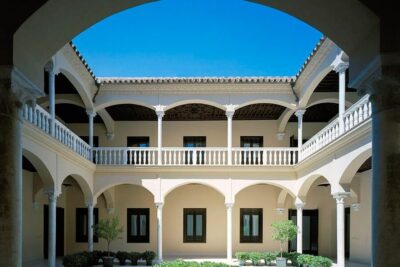
El Chorro: Caminito del Rey Guided Tour with Shuttle Bus
Read our review →
Caminito del Rey: Tour with Official Guide and Drink
Read our review →
Alcazaba and Roman Theatre Guided Tour With Entry
Read our review →
Browse the lists this tour appears in